Keep the Door Locked How to Banish the Shadow Figure
Recognize an active room threat and prioritize the response that leads to Not Today.
The confirmed goal
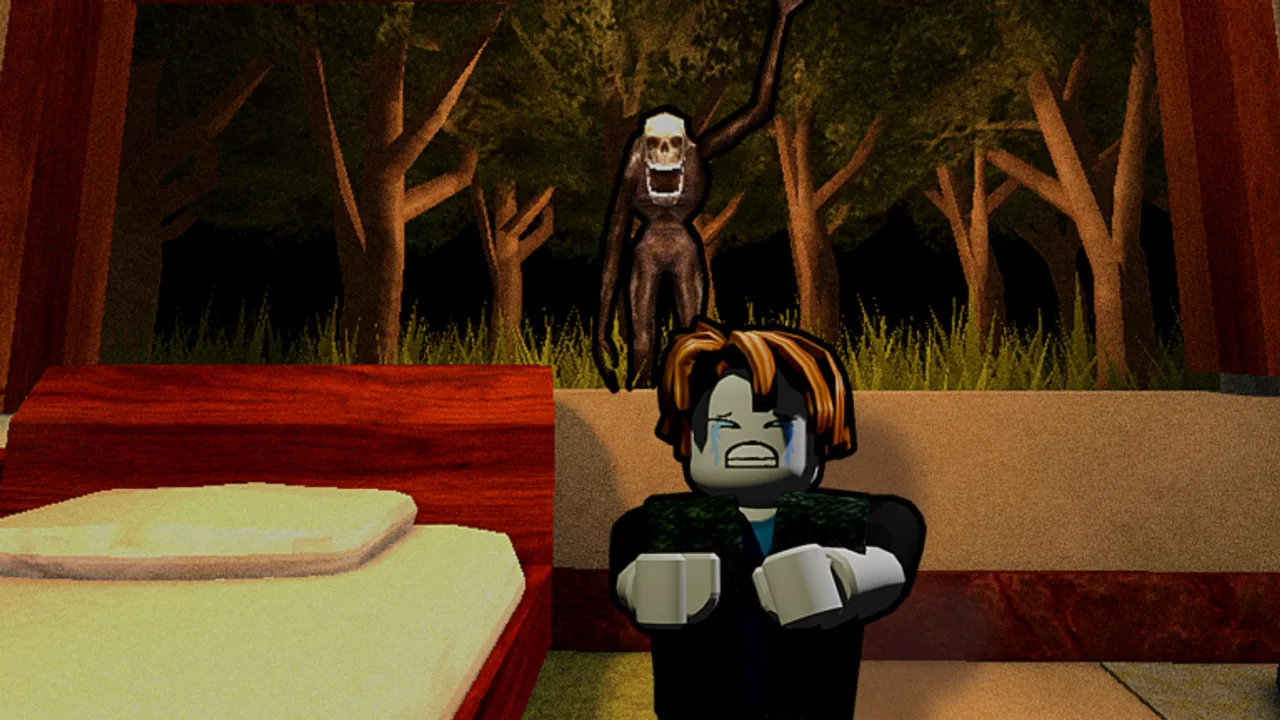
The Not Today badge confirms that a shadow figure can be banished in Keep the Door Locked. That is a useful fact, but it is not a complete encounter script. Badge evidence does not specify its guaranteed spawn day, every appearance location, an exact button sequence, or whether every dark shape is the same event. This guide therefore focuses on reliable play: recognize when the room has changed, stop unrelated activity, read the available prompt or interaction, and confirm the figure has gone before continuing.
The shadow figure belongs to the room-awareness side of the game. A knock asks you to inspect the hall; a shadow asks you to inspect the space you are already occupying. Keep both habits sharp. The hotel room is small enough that changes in a familiar corner, doorway, or line of sight can be meaningful.
Do a room scan after major events
A practical habit is to scan the room after a visitor decision, after you close the camera, and whenever the atmosphere shifts. Look at the normal landmarks: door, window, bathroom area, and any space where a person or silhouette can stand. You are not trying to stare at every pixel. You are comparing the current room to the baseline you learned during a calm orientation run.
This also helps distinguish the shadow figure from the room hider associated with Caught You Looking. Both suggest that looking is meaningful, but their badge names point to different outcomes. Do not assume a hider is automatically the shadow, or that watching any dark corner is always safe. Note what you saw and act on the event’s current prompt rather than forcing a theory.
Prioritize the active figure
When you believe the shadow figure is present, stop pursuing optional tasks. Do not advance the toilet anomaly, test the window stage, count money, or search for an Easter egg. The Not Today route is the current objective, and a delayed response may create a worse situation. Face the figure or relevant interaction point, read any text or prompt carefully, and perform the indicated banish response once.
If no explicit prompt appears, avoid random rapid clicks. Reposition calmly, check whether the figure is tied to a nearby object or sightline, and continue observing. The official facts support the banish outcome, not a made-up universal control. A controlled approach gives you a better chance of learning the event without losing the run to panic.
Protect sanity while investigating
The Losing It badge confirms that sanity can reach zero. It is reasonable to treat a shadow encounter as a moment to simplify your play. A strange room does not need more strange actions. Close unrelated interactions, stabilize your view, and deal with the figure before returning to the camera or door.
Sanity Guide explains why one-event-at-a-time testing matters. If a shadow appears while a visitor is knocking, decide which has a live prompt or immediate danger. A direct room threat may need the fastest response; if the door becomes a forceful breach, the door breaker defense is the priority. See Survive the Door Breaker for that different encounter.
Practice with a single question
Use a dedicated practice run to answer one question about the figure: where did it appear, what changed just before it appeared, or what action made it disappear? Do not test all three questions and an ending route in the same session. Record the answer in plain observations: “after closing the camera, a silhouette was by X,” not “the shadow always spawns at X.” The first is evidence; the second is an unsupported rule until repeated.
This method is especially important because the game uses anomalies with possible stages. Three Strikes indicates a stage-3 window check and Flush of Fear indicates a late toilet stage. A shadow appearing near an anomaly may be a coincidence, a shared condition, or a separate event. Test the variables separately before joining them in a route.
Return to normal decisions after banishing
A successful banish is not a signal to open the door or ignore the next visitor. Scan the room for confirmation that the figure is gone, then resume the normal process: camera first, evidence second, door decision third. Camera and Door Decisions is the best reference for that rhythm.
If you are attempting the ten-day survival ending, a clean recovery after the shadow encounter is more valuable than trying to chase another badge immediately. If you are attempting an alternate ending, preserve the details of the shadow event but keep the key decision separate. The golden skeleton and grandma-key paths have their own goals in Golden Skeleton Ending and Grandma Key Ending.
Summary
The safe shadow-figure strategy is to know what a normal room looks like, scan after pressure events, treat a new silhouette as an active threat, follow the available response rather than clicking blindly, and verify the room is stable afterward. Not Today tells us a banish is possible; disciplined observation is how you reach it without inventing mechanics the game has not confirmed.
Frequently Asked Questions
Quick answers about the hotel room, visitors, and endings.
Can the shadow figure be defeated?
Yes. The Not Today badge confirms it can be banished.
Where does the shadow figure spawn?
A guaranteed spawn location is not verified. Learn the normal room layout and scan for a new silhouette or active prompt.
Is the shadow figure the same as the room hider?
They appear to be separate badge-supported leads: Not Today concerns banishing a shadow, while Caught You Looking concerns a room hider.