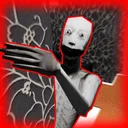
Keep the Door Locked How to Survive the Door Breaker
Stay on the door, follow the live prompt, and protect a survival run from a sudden breach.
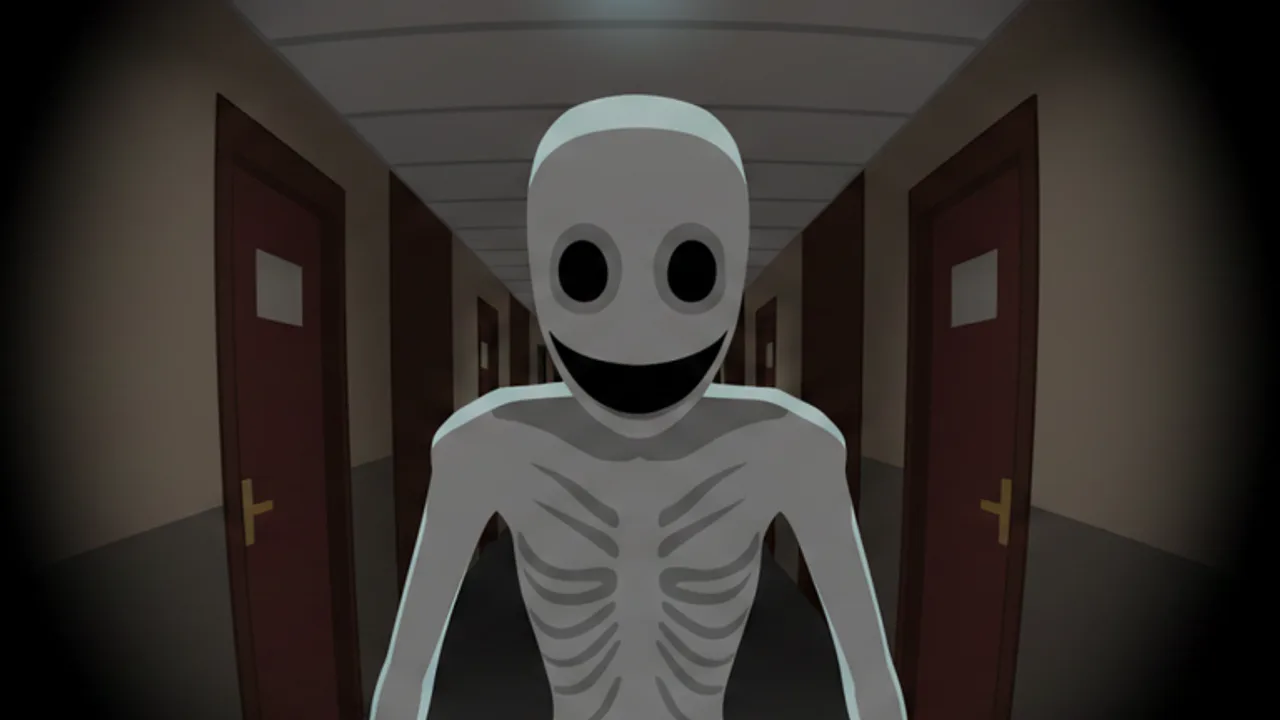
What the Door Held badge confirms
The Door Held badge is the clearest reliable clue for this encounter: a door breaker exists, and it is possible to survive it. The badge does not publish a scripted schedule, a precise visual model, an exact timer, or every prerequisite. Any guide claiming that it always appears on a particular day or that one specific item guarantees safety needs in-game proof. The useful takeaway is simpler: when the door itself becomes the threat, your response must be active and focused.
This is different from a normal knock. A normal visitor decision begins with evidence gathering through the camera. A door-breaker sequence may demand immediate attention to the door prompt. Learn the distinction while you are calm so you do not keep checking the camera after the game has clearly changed the situation.
Prepare before the encounter starts
Practice walking to the door and finding its interaction prompt during quiet periods. Confirm where you need to stand and whether the standard action is a tap, click, or hold on your platform. The exact prompt can vary with game updates or device controls, so the on-screen instruction is authoritative. Controls explains how to make this orientation pass on any Roblox setup.
Keep your camera view clear of the door area when a threatening event develops. Avoid opening menus, changing settings, or wandering to the window during the sequence. If you have an item, do not assume it is relevant unless the game prompts you to use it. Rat Buster confirms a baseball bat and pizza rat interaction, not that the bat is a universal answer to every danger.
Recognize the priority change
Use the camera for ordinary uncertainty. But if the door is visibly being forced, the sound or prompt indicates an attack, or the normal visitor flow has become a breach, stop treating it as a social choice. The immediate goal is the condition represented by Door Held: survive by holding the door or completing the current defensive interaction.
Read the prompt before acting. If it asks you to hold, maintain the hold until the game gives a clear end-state. If it presents a different response, follow that response rather than a remembered rumor. Repeated clicking, turning away, or releasing early can be more dangerous than a short delay spent reading the instruction.
Keep attention on the live event
A door breaker may arrive when the room already feels strange. Do not let a staged window, toilet anomaly, or hidden figure pull you away. Three Strikes and Flush of Fear make those objects worth researching, but they are not higher priority than a direct breach. Resolve the door event first. Once the room is stable, decide whether an anomaly is still present and whether continuing the run is sensible.
This priority also protects sanity. The Losing It badge confirms a zero-sanity outcome, although its full trigger list is unknown. Adding unnecessary interactions during a loud, dangerous event is a poor risk. Sanity Guide gives a simple rule: do not stack unknown events. The door breaker is already enough to handle.
Use practice runs correctly
If the encounter defeats you, do not immediately turn the next run into a secret hunt. Make the next goal narrowly focused: reach the door breaker, read the prompt, and test whether your position or hold timing was the problem. Record what you observed before the breach. Did you have the camera open? Did the prompt change? Did you release when the scene appeared calmer but before confirmation? This kind of note is more reliable than trying five unrelated tricks.
Once you survive it, return to your normal night loop: inspect visitors, choose carefully, and monitor the room. A successful defense is not necessarily an invitation to open the door afterwards. Treat the post-event state as new information and check the room before resuming an ending route.
Do not confuse defense with admission
The title Keep the Door Locked makes a useful mental distinction. Keeping a hostile force out is not the same as refusing every visitor, and holding the door in a crisis is not the same as blindly opening it. For normal knocks, Camera and Door Decisions remains the best starting process. For special threats, follow the game’s immediate prompt.
This distinction prevents a common bad habit: trying to solve a forceful breach with a normal visitor choice, or trying to solve every polite knock as if it were an attack. The camera gives evidence; the live event gives instructions. Use both in the order the situation demands.
After surviving
A Door Held success is valuable evidence, but it does not reveal every other route. Avoid mixing the victory with unsupported assumptions about the golden skeleton, strange grandma, or dream room. Read Golden Skeleton Ending, Grandma Key Ending, and Dream Room on separate runs. The ten-day ending is built from repeated good decisions, and surviving the door breaker is one of the strongest tests of that discipline.
The concise rule is: prepare the door control, identify when the event has become a breach, follow the current prompt continuously, and ignore optional distractions until the game confirms the danger is over.
Frequently Asked Questions
Quick answers about the hotel room, visitors, and endings.
How do I survive the door breaker?
The Door Held badge confirms survival is possible. Stay focused on the door and follow the current on-screen defensive prompt, including any hold instruction.
Should I use the camera during the attack?
Use the camera for normal visitor decisions. Once the door is actively being forced, prioritize the live door prompt instead.
Does the baseball bat stop the door breaker?
That is not verified. The bat is confirmed for the pizza-rat Rat Buster interaction, not as a universal defense.