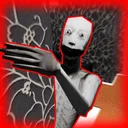
Keep the Door Locked Neck Craner Visitor
A neck craned back, staring at the ceiling, is the tell. Lock the door.
What the neck craner is
The neck craner is a confirmed Keep the Door Locked visitor anomaly. A guest arrives at your room with their neck craned back, staring at the ceiling. The posture is unnatural and the tell is unmistakable once you see it. The visitor is hostile. Lock the door.
The neck craner is part of the body-distortion visitor family. The tell is visible at the door frame and confirmed through the camera. There is no safe variant of a neck-craning visitor.
How to respond
- Notice the visitor’s neck craned back, head pointed at the ceiling.
- Lock the door.
- Continue the run.
The neck craner is one of the easiest visitors to recognise because the tell is so unusual. A neck craned fully back, looking straight up, is not a normal guest posture. The chin points at the doorframe and the eyes look at the ceiling — there is no way to read that as a tired guest or a polite patient person.
Common mistakes
- Assuming the visitor is stretching or yawning. Staring at the ceiling without blinking is the anomaly.
- Waiting for the visitor to to relax their posture. The craned neck is permanent for that visitor.
- Confusing the neck craner with a tall guest. The tell is the neck, not the height.
- Trying to use the camera to find a more subtle tell. The craned neck is the entire tell.
- Offering the visitor a glass of water to distract them. The craned neck does not respond to kindness.
- Letting the visitor in because they seem calm. A calm, neck-craning figure is still hostile.
Why this anomaly is straightforward
The neck craner has one of the clearest tells in the game. The visitor’s head is pointed straight up at the ceiling in a posture that no ordinary guest would maintain. The door-frame view is enough; the camera confirms. The animation holds the posture rather than relaxing it, so the tell is not a momentary glance — it stays for as long as the visitor is at the door.
Sample encounter
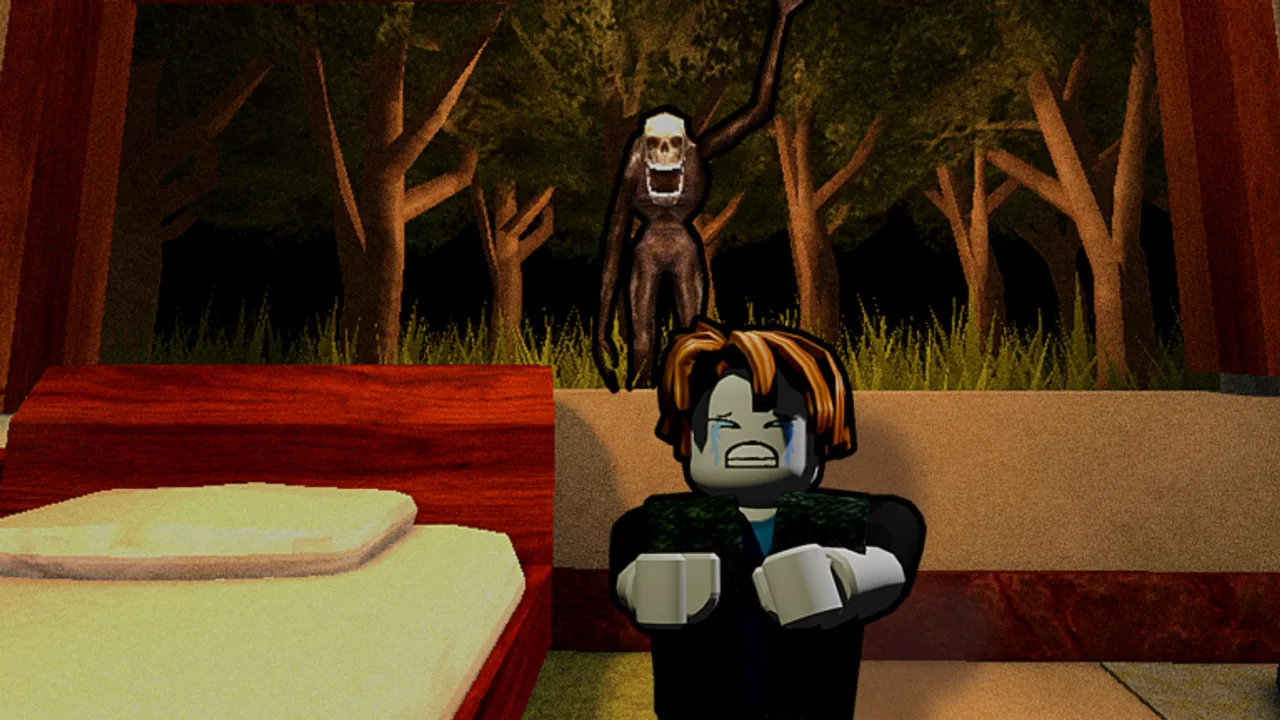
A knock comes during a quiet window check. You switch to the door and see a visitor whose chin is tilted straight back toward the ceiling. They do not blink. They do not speak. They do not lower their head to look at the peephole. You lock the door without hesitation. The visitor leaves after a short pause. You return to the camera sweep because the window is still the active signal.
Combine with other signals
The neck craner sits in the door-frame tell category alongside spasming limbs, headbanger, knife killer, and silent lady. They share the same response: a calm look at the door, a refusal decision, and a return to the next item on your scan. Build the door-frame habit once and you cover all five. The camera habit you already keep for translucent guests, doppelgangers, dead doppelgangers, and long limbs covers the rest.
Related anomalies
- Long limbs: visitor with extremely long arms, identified by the camera.
- Spasming limbs: visitor with flailing arms, visible at the door.
- Headbanger: visitor that smashes their head against the door.
- Silent lady: tall, motionless visitor — never use the camera on her.
The threat ranking groups body-distortion visitors together because they share the door-frame habit. The camera and door decisions guide explains how door-frame tells fit into the larger door routine.
Frequently Asked Questions
Quick answers about the hotel room, visitors, and endings.
How do I spot the neck craner?
Their neck is craned back and they stare straight at the ceiling. The tell is permanent for that visitor.
Do I need the laptop camera?
The tell is visible at the door. The camera confirms but is not required.
Is the neck craner tied to an ending?
No confirmed ending tie. The visitor is hostile with no documented reward.
What if the visitor relaxes their neck?
Lock the door anyway. A momentary pause does not change the tell.
Why does the neck craner share the door-frame habit with other body-distortion visitors?
All five door-frame tells — spasming limbs, neck craner, headbanger, knife killer, silent lady — are visible at the peephole and do not require the camera. One habit covers all of them.