
Keep the Door Locked Door Breaker Guide
A locked door is vital, but the doorway still needs to be read as an active threat.
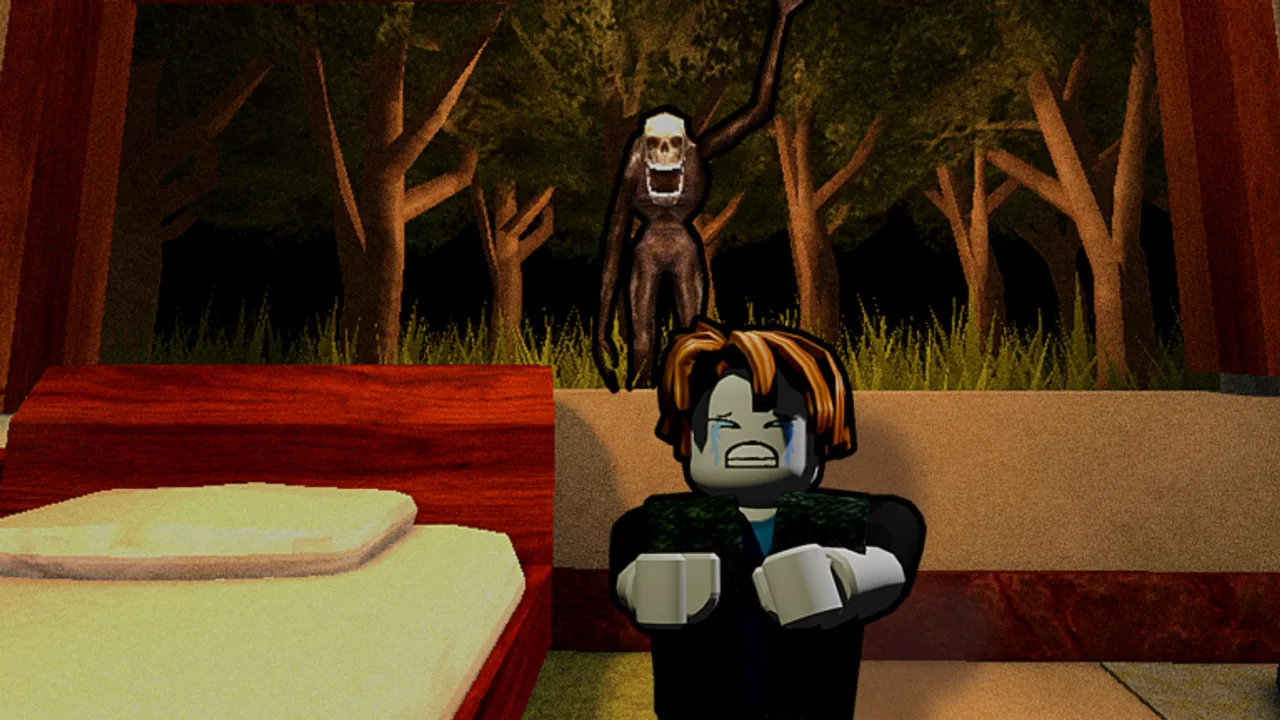
A locked door is not passive safety
The door breaker is a confirmed threat in Keep the Door Locked. The game title makes the lock memorable, but the core loop is more demanding: watch cameras, follow the rules, and decide what the door situation means. This threat is a reason not to reduce every problem to “keep it shut and stop looking.” The doorway, the room, and the camera information should remain part of one decision.
When a door-focused event is suspected, pause long enough to identify the evidence you actually have. Is there a visible change? Did a rule or camera observation precede it? Is another anomaly still active in the room? Write the concrete details in the anomaly checklist rather than assuming that any sound or visitor is the door breaker. A good log helps prevent repeating the same misread on future runs.
Separate a threat from a visitor
Visitors are not interchangeable with the door breaker. The strange grandma is connected to a key for Ending 3, the kindness visitor is associated with a reward, pizza rat is known with a baseball bat, and the Dream Room, Juan, and dog easter eggs have their own context. Read the visitors guide before trying to classify them in real time. The visitor trust ranking organizes known decision pressure, but it should never be used as an excuse to ignore current evidence.
The door breaker can also compete with the other confirmed room threats. Recheck a staged window anomaly rather than forgetting it. Include the toilet anomaly in your normal sweep. Consider whether a room hider or shadow figure is changing the room’s risk. The all anomalies guide is the best single page for resetting your scan order.
Prioritize without inventing counters
This guide does not invent an exact attack sequence, a timer, or a guaranteed immunity. Official information confirms the door breaker as a threat; it does not justify fictional mechanics. The practical priority is to avoid a careless door decision. Compare threat urgency in the threat ranking, then return to the rules and camera state of your own run. If you cannot verify a detail, label it uncertain in your notes instead of presenting it as fact.
Survival choices also connect to sanity and the Blood Money currency goal. A run review should include whether an event forced a rushed choice, changed your sanity management, or delayed progress. Keep ending claims separate: 10 days, golden skeleton, and the grandma-key route are the known ending objectives. Use the ending tracker to mark confirmed progress, and the badge tracker to record earned badges such as Door Held or Not Today without assuming their full conditions.
New players should use hotel survival basics first. The central door-breaker lesson is simple: retain control of the decision. Keep the door locked when the current rules and evidence call for it, but keep observing the room that makes the decision necessary.
After you survive
Once the door holds, reset your attention. Recheck the camera, confirm no second visitor is waiting, and note whether sanity or room state changed. Pair this page with the Survive the Door Breaker guide and log the encounter in the Anomaly Checklist so later runs compare the same signals.
Frequently Asked Questions
Quick answers about the hotel room, visitors, and endings.
Is the door breaker confirmed?
Yes. It is a confirmed threat in the game.
Does a locked door remove all risk?
No. The door breaker shows why the doorway remains an active part of the survival loop.
Where can I compare threat urgency?
See the threat ranking, then apply its comparison to the actual camera and room evidence in your run.
What should I review after a door-breaker scare?
Record the visible doorway evidence, the camera state, the active rule, whether another room anomaly was present, your sanity state, and the exact action you took. On the next run, use that note to check whether you reacted to evidence or only to urgency. This is more reliable than assuming every similar sound has the same cause.