
Keep the Door Locked Window Seeker Phases
Open the curtains and look at him so he flees. Repeat all night so the phase never advances.
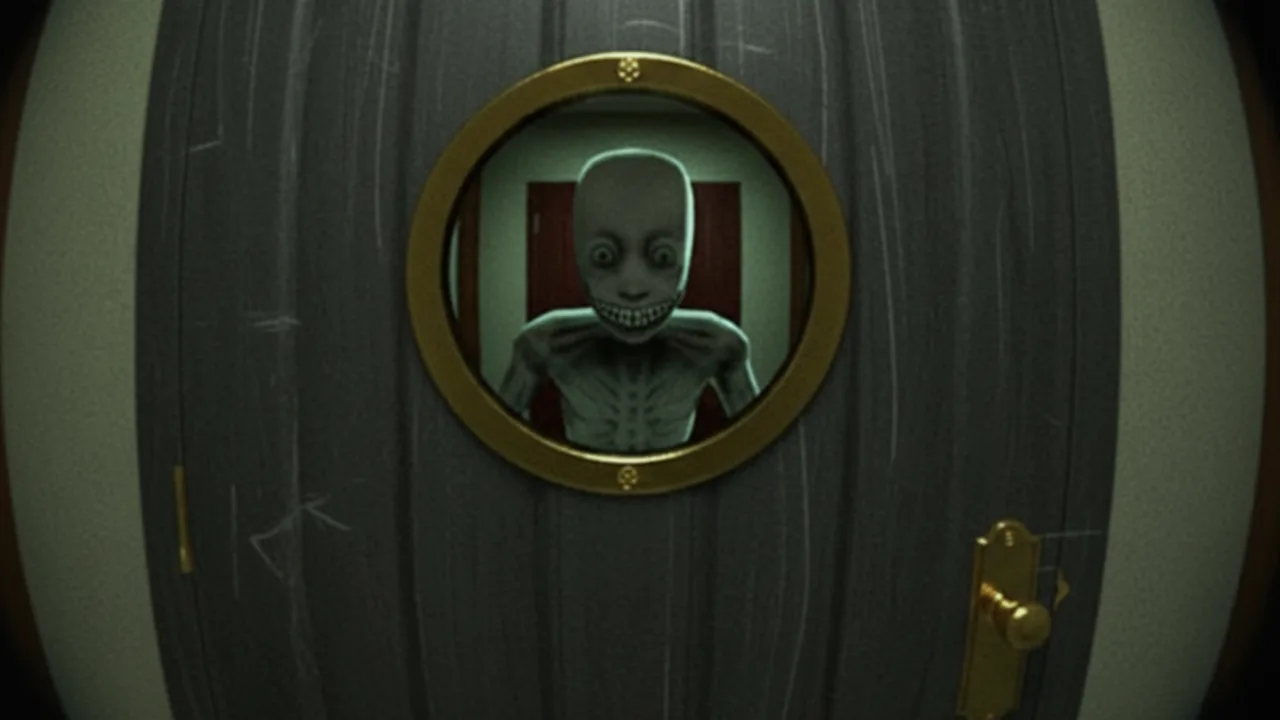
What the Window Seeker does
The Window Seeker is a confirmed Keep the Door Locked anomaly that operates over phases. Throughout the night you will hear moans, knocks, and scratching from outside the window. A hidden timer drives the Seeker through escalating phases, getting closer to the window each round. If the timer is not interrupted, the run ends with a game over.
The good news: the threat is reset by a simple action. Open the curtains and look at the Window Seeker. The confrontation forces him to flee and resets the timer to phase 1. You will need to repeat this reset for the rest of the night, so it is a recurring room chore rather than a one-time event.
Why the curtains are the answer
The Window Seeker is one of the few anomalies where the correct response is to engage rather than avoid. The game expects you to open the curtains deliberately, look at the figure, and stay still long enough for the reset to take effect. After a few seconds the Seeker disappears and the timer returns to phase 1.
- The reset requires the curtains to be open and your view to land on the figure.
- Closing the curtains or glancing away resets neither the timer nor the phase.
- The window anomaly badges mention phase checks; the Window Seeker shares the same surface — do not confuse the staged window anomaly with the Window Seeker.
Building the reset habit
The Window Seeker is rare in a calm run but inevitable during longer survival attempts. Make the reset a fixed part of the night routine:
- After every door prompt or anomaly event, scan the window.
- If the Seeker is at the window, open the curtains and face him.
- Wait for the figure to disappear.
- Return to the camera and door routine.
- Repeat whenever the sounds start again.
The Seeker returns several times per night. Each visit costs only a few seconds, but skipping one or two is what lets the timer reach its final phase. Treat the resets like flushing a toilet anomaly or checking the rule book: routine beats panic.
Mistakes to avoid
- Closing the curtains because you are scared. The reset requires opening the curtains.
- Looking away from the figure because the visual is unpleasant. The Seeker must see you seeing him.
- Treating the Window Seeker as the same as the staged window anomaly. They share the surface but require different habits.
How it fits into a longer run
During a 10-day run, the Window Seeker shows up several times a night. Use Survive 10 Days and Sanity Guide to keep the room stable while you reset the timer. If sanity is low, the visual reset is still safer than skipping it.
The Window Seeker does not directly gate any of the five endings. Treat it as a recurring room management task, not as a route to a badge. If you hear the Seeker repeatedly on a single night, note the pattern in Anomaly Checklist and adjust your reset pace for the next night.
Related anomalies
- Window anomaly: stages that you observe through the camera without direct interaction.
- Spiders: ceiling egg-sac explosions that you avoid by not standing under them.
- Shadow figure: corner figure that you dispel with the flashlight.
The threat ranking places recurring room anomalies above one-off knocks because they require sustained attention.
Frequently Asked Questions
Quick answers about the hotel room, visitors, and endings.
How do I stop the Window Seeker?
Open the curtains and look at him. He will flee and the timer will reset to phase 1.
How often does he return?
Several times per night. Each return requires a fresh reset.
Is the Window Seeker tied to an ending?
No confirmed ending tie. Treat him as a recurring room management task.
What happens if I close the curtains?
The timer keeps running and the Seeker advances. Closing the curtains does not reset anything.